
The July ‘26 Logs
The return of David Wain, revisiting something I hated eight years ago, a pair of Roths, and a lot more.

Vintage Violence is a blog about film, literature, and more. A majority of the posts are free, but you can subscribe at a paid tier to access the entire back catalog. The following post is about what I’ve been watching, reading, and experiencing this month. The series of brief reviews covers my thoughts on new releases Gail Daughtry and the Celebrity Sex Pass, The Invite, and Chunks, repertory viewings of The House that Jack Built, Angel City, and One, Two Three, and two books by Philip Roth: Patrimony and Letting Go.
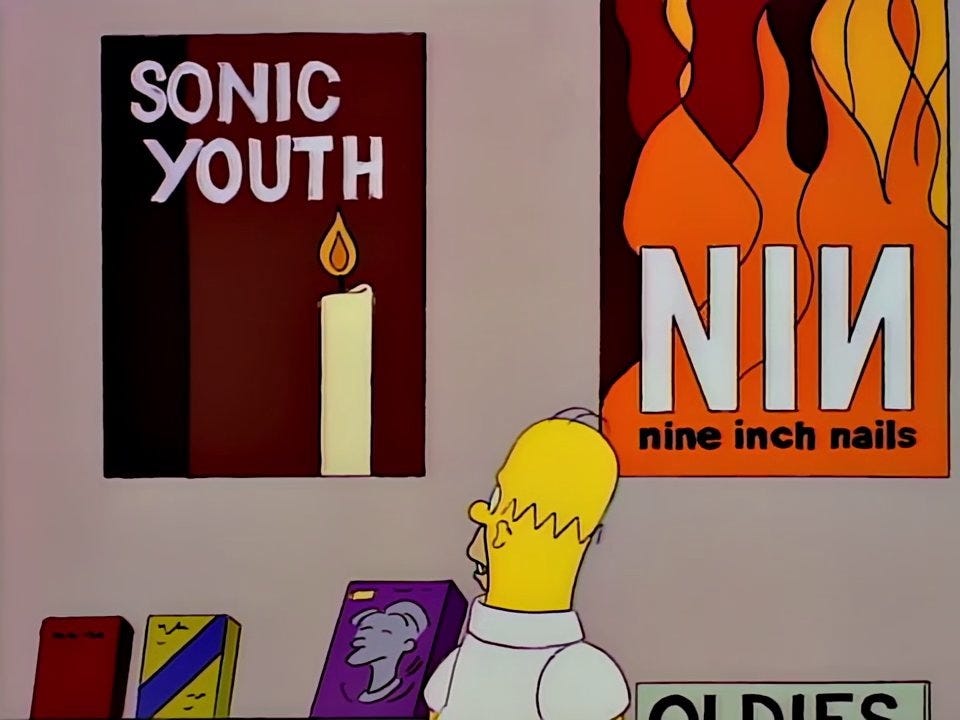
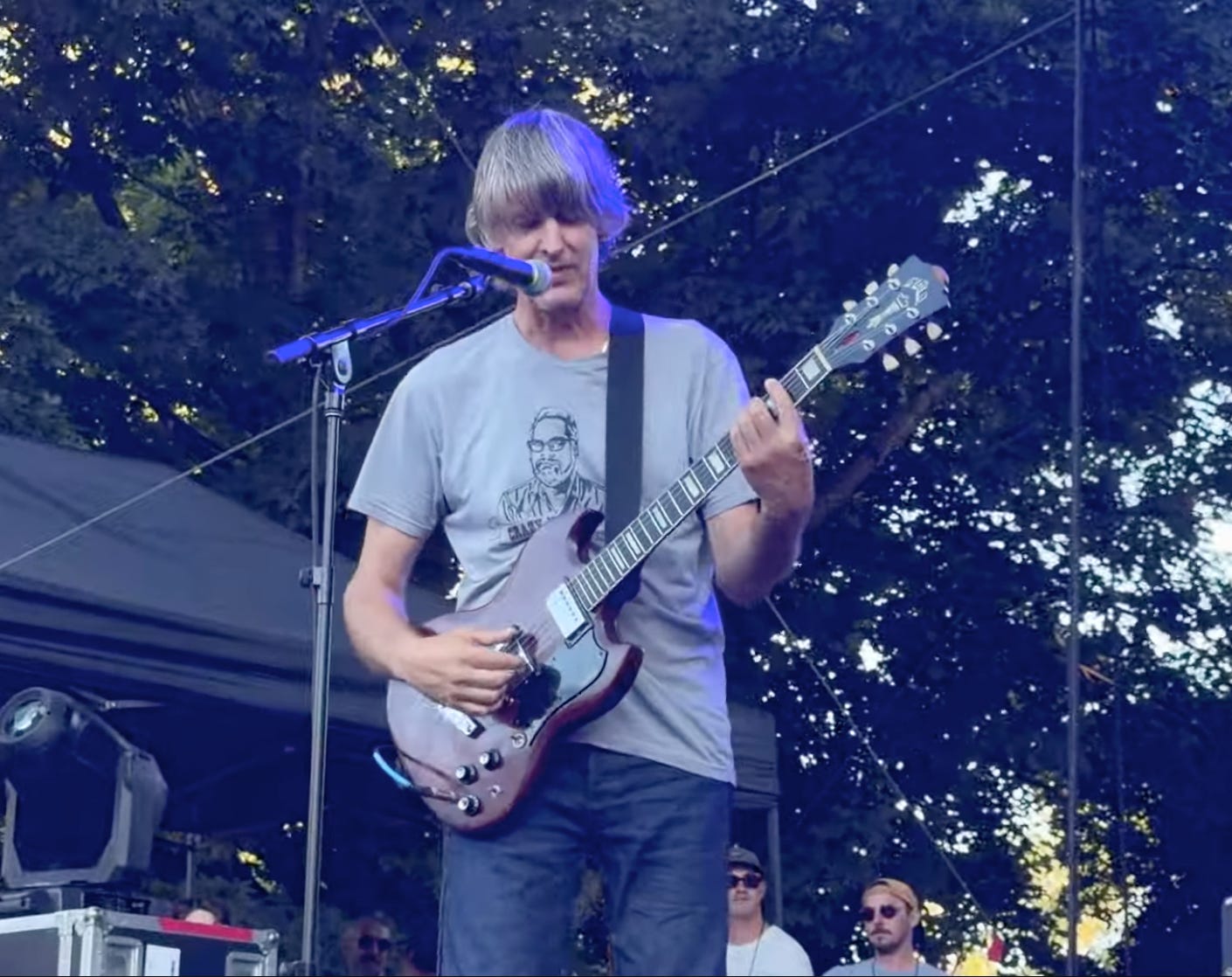
I find myself among the commoners; much of what my July entailed was far from unique, ground already covered, discussed ad nauseum through social media, thinkpieces, podcasts, etc. The scorching heat, the World Cup, the NBA offseason, the avoidance of lettuce, and more heat. Much like June, I’ve been drinking gallons of Gatorade Zero (Yellow Flavor), but not so much for the recovery of my depleted post-hospitalization body, but simply to maintain normalcy under the relentless sun. When I take my morning walks or sit by (or in) the pool, I wear a big dumb straw hat to shade myself. My greatest feat of normalcy—beyond participating in the football fever that America catches every four years before it recedes due to the absurd start times of Premier League matches and the poor quality of our domestic league—is obsessing over a series of Instagram Reels. I had previously made a very silly rule to no longer watch video content on my phone, something of a screen cleanse, but in the days since legendary indie band Pavement was filmed by a number of fans covering a truncated version of Led Zeppelin’s “Stairway to Heaven” (with a taste of “Down by the River”) at Oakland’s Mosswood Meltdown festival, I’ve been scouring reels for every vantage point of the Slacker Rock Gods paying homage to the Dad Rock Emperors. I’ve often thought about how the independent and alternative rock bands of the 90s and 2000s are now classic rock legacy bands for millennials and X’ers, those who were thought to sneer at their boomer parents’ insistence that all the mopey, noisy stuff they listen to couldn’t hold a handle to the likes of Creedence Clearwater Revival. It goes beyond “wanna feel old?” social media bait and into the cycles of rock music, and all popular art, that seem to have more to do with the fans than the artists. Stephen Malkmus of Pavement has never been shy about his 70s radio rock influences in combination with more cacophonous bands like The Fall, and Sonic Youth toured with Neil Young. The detached affect and rejection of a previous generation best satirized in The Simpsons’ “Homerpalooza” (featuring a Sonic Youth cameo) is all about the audience, not the bands, and it made me think about how often I saw the word “millenial” used as an insult in negative Letterboxd reviews of The Invite. I’ve always found generational critiques and generalizations largely useless, but as I watched Malkmus half-improvise new lyrics to the most requested FM radio track of the 1970s, I couldn’t help but wonder what the Generation Z fans would make of the scene. The fans that, through Spotify and TikTok algorithms, made the formerly-obscure B-side “Harness Your Hopes” far and away the band’s most popular song, to the point where a music video starring Sophie Thatcher was shot by Alex Ross Perry 26 years after the song was recorded.
Another social trend: upon seeing the news that Sony and Alamo had purchased Hollywood’s Cinerama Dome, dormant since its previous occupants Arclight Cinemas went out of business in 2020, the mixed reactions seemed to be missing something. Yes, there are the typical “back to the movies!” folks for whom the artform is no more than an excuse to pretend Tom Cruise is their mayor, but even among the film freaks who showed a bit of resistance, it was largely due to the Alamo’s branding and amenities. You’ll never get me to say anything good about the Alamo Drafthouse, or any movie theater where a waiter will cross your sightlines to drop a stinky pile of food—that in the last 20 minutes went from the freezer to the fryer—on your classroom desk of a seat, but I think the bigger issue is their owner since 2024, Sony Pictures Entertainment. The Paramount Decree, or the 1948 case of United States v. Paramount Pictures, Inc, was an antitrust case that disallowed film studios from owning theaters for the sake of competition. In 2020, a federal judge approved the termination of this legislation, which caused an outrage on Film Twitter for about one day. Things—news, ideas, opinions— moved really fast in 2020, if you don’t remember. The historic Egyptian Theater in Hollywood was bought by Netflix, who so generously allows its previous occupants, The American Cinematheque, to have weekend custody. Now, I don’t believe that the Cinerama Dome will exclusively play films owned by Sony, but the prospect is not exactly enticing. It’s a trend that slowly creeps up on filmgoers, like how Tarantino’s Vista gives so many terrible movies distributed by NEON 35mm theatrical runs. The coalescing of film studios has been the biggest industry story of the last year, most recently with the Warner/Paramount merger being not struck down but “paused” until August 17, during which time the Ellisons (Trump’s double-headed Goebbels, with even worse taste) will surely do their fair share of very legal & very cool lobbying.

Now, onto what I’ve been watching and reading in July…
